

Understanding D light kw how much

What’s the difference between kW and kWh? The kWh measurement is a way to quantify how much energy is used over a period of time. This can be calculated by multiplying the kW of energy consumption by the total number of hours the lighting has been operated. Let’s go back to the example of having ten 100W light bulbs. How.
Before LEDs hit the market, you probably made a lot of lighting decisions based on wattage. You unscrewed a burned out light bulb and saw “60W” at the top. All you had on hand was a light bulb.
Just like watts, kilowattsis a measure of how much energy something will consume. Going from watts (W) to kilowatts (kW) is a pretty straightforward.
Okay, enough theory. How about a practical example to explain the difference between kW and kWh? (Here’s where the water analogy comes in.) Let’s imagine.
In the rapidly advancing solar landscape, D light kw how much plays a pivotal role in enhancing grid resilience and energy autonomy. Modern advancements are moving beyond simple storage, integrating AI-driven forecasting and high-density battery chemistry to maximize the ROI of photovoltaic assets.
About D light kw how much video introduction
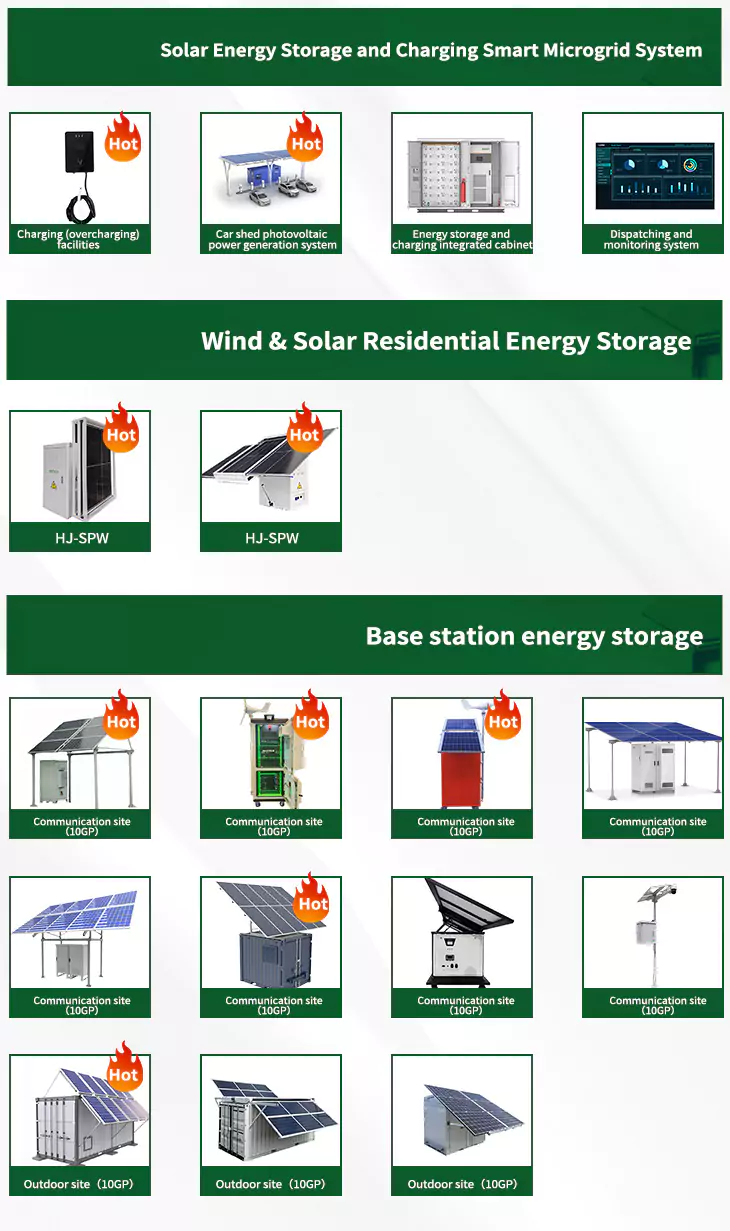
Our curated portfolio of D light kw how much focuses on mission-critical performance. Whether you are scaling a utility-grade solar farm or optimizing a commercial microgrid, we provide the technical architecture necessary to bridge the gap between generation and demand. Our systems are engineered for durability, safety, and seamless grid-edge integration.
Expert Consultation: Don't navigate the complexities of D light kw how much alone. Connect with our technical engineers via live chat to access detailed spec sheets, compatibility analysis, and custom configurations tailored to your specific PV infrastructure requirements.


