

Understanding Grid edge technologies
Our way of life is dependent on abundant and reliable energy supplies. Energy helps to give us warmth, mobility and food as well as satisfying our need for information and communi-cation. It has helped to drive huge advances – most recently in computing, networking and social.
The transition to distributed renewable sources, which we are currently experiencing reverses this effort. The extraction no longer requires effort, but mere capital expenditure to build the capacity, which turns natural resources into power. Once renewable assets have been financed and.
It is likely that the human population of the world will still have very similar basic energy needs in 2050 – warmth, food, mobility and connections – despite.
Historically, the greatest effort in energy generation was spent on sourcing the fuel. Early urban dwellings were limited in their size by the range from.
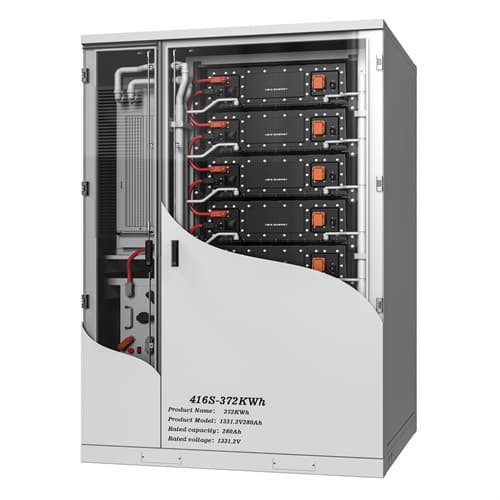
In the rapidly advancing solar landscape, Grid edge technologies plays a pivotal role in enhancing grid resilience and energy autonomy. Modern advancements are moving beyond simple storage, integrating AI-driven forecasting and high-density battery chemistry to maximize the ROI of photovoltaic assets.
About Grid edge technologies video introduction
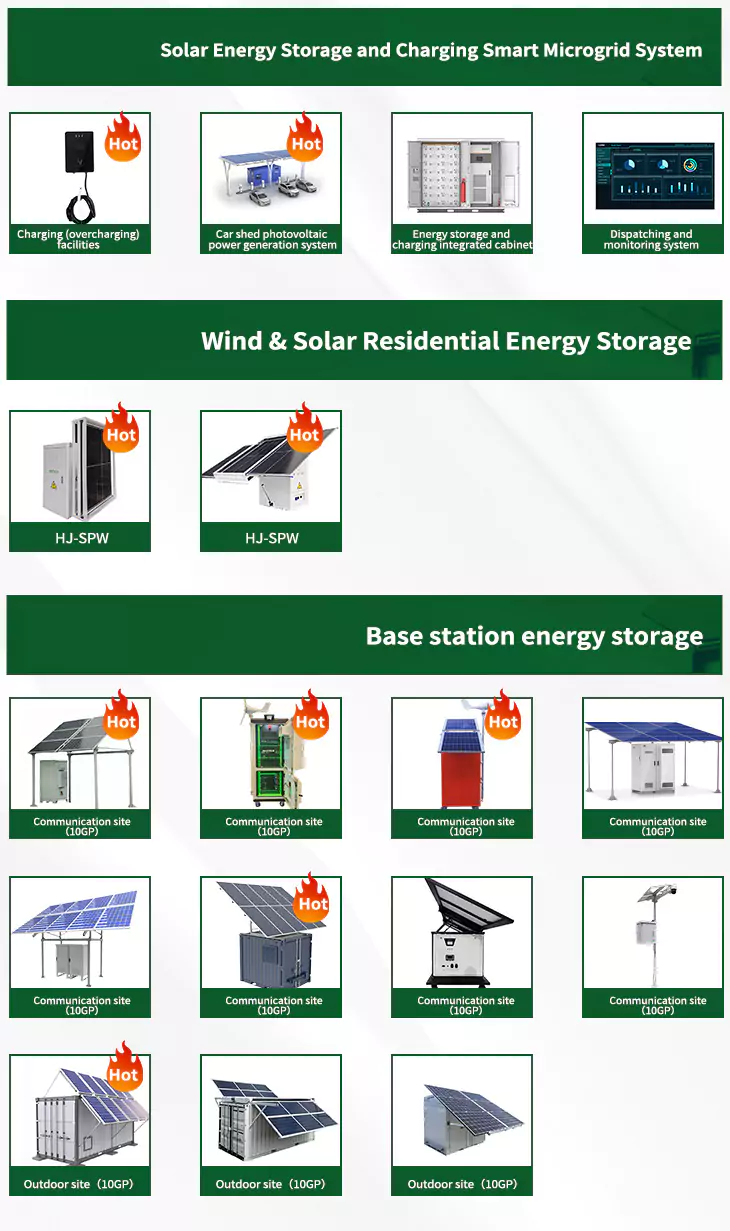
Our curated portfolio of Grid edge technologies focuses on mission-critical performance. Whether you are scaling a utility-grade solar farm or optimizing a commercial microgrid, we provide the technical architecture necessary to bridge the gap between generation and demand. Our systems are engineered for durability, safety, and seamless grid-edge integration.
Expert Consultation: Don't navigate the complexities of Grid edge technologies alone. Connect with our technical engineers via live chat to access detailed spec sheets, compatibility analysis, and custom configurations tailored to your specific PV infrastructure requirements.


