

Understanding Solutions of loadshedding

A UVLS scheme is used to protect against excessive voltage decline by shedding load when voltage falls below specified thresholds. Time delays in UVLS are generally longer, typically above 3 seconds to prevent false tripping. Some research suggests using a slope-permissive UVLS design to shed load earlier based on predicted.
Load shedding (LS), often spelled loadshedding , is a protective method ofwhere, during a large , the demand (load) is intentionally disconnected ("shed").
A UFLS scheme sheds predetermined amounts of load when the system frequency drops below specific thresholds. UFLS typically has short time.
• Bevrani, Hassan; Watanabe, Masayuki; Mitani, Yasunori (2014-05-30). "Wide‐Area Measurement‐Based Emergency Control". Wiley. pp. 158–185.
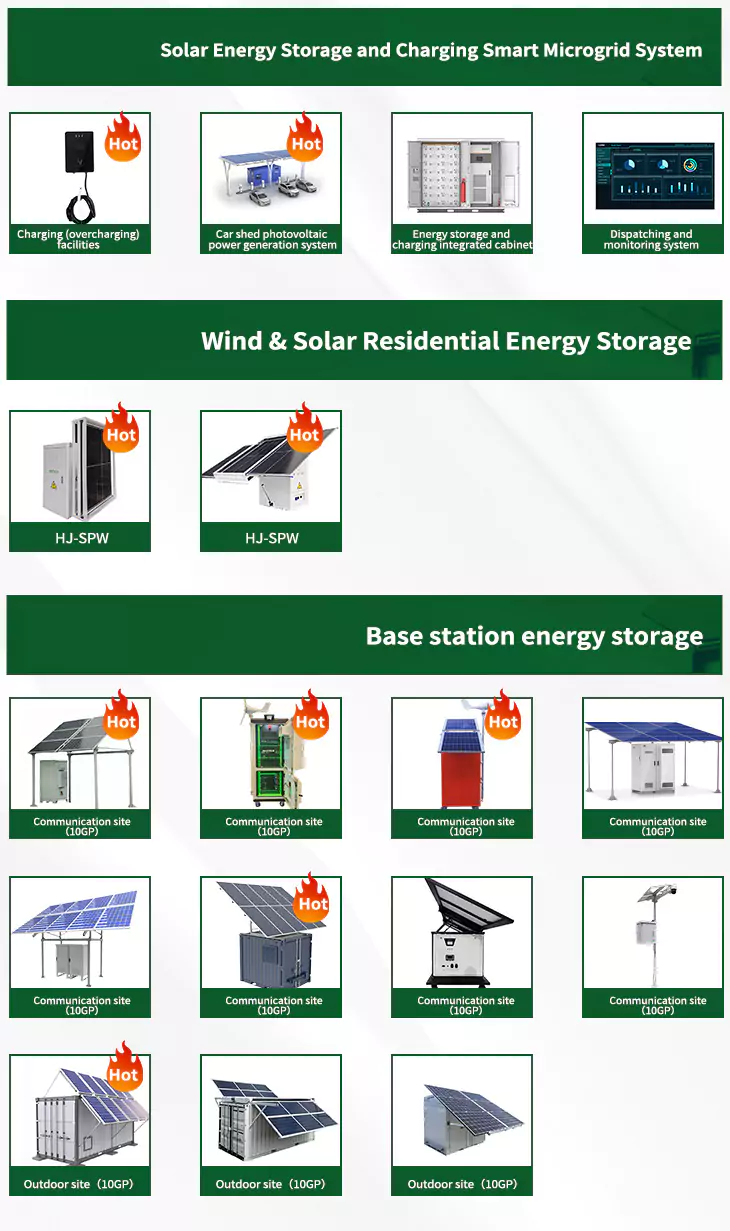
In the rapidly advancing solar landscape, Solutions of loadshedding plays a pivotal role in enhancing grid resilience and energy autonomy. Modern advancements are moving beyond simple storage, integrating AI-driven forecasting and high-density battery chemistry to maximize the ROI of photovoltaic assets.
Our curated portfolio of Solutions of loadshedding focuses on mission-critical performance. Whether you are scaling a utility-grade solar farm or optimizing a commercial microgrid, we provide the technical architecture necessary to bridge the gap between generation and demand. Our systems are engineered for durability, safety, and seamless grid-edge integration.
Expert Consultation: Don't navigate the complexities of Solutions of loadshedding alone. Connect with our technical engineers via live chat to access detailed spec sheets, compatibility analysis, and custom configurations tailored to your specific PV infrastructure requirements.


