

The most common device structure for CIGS solar cells is shown in the diagram (see Figure 1: Structure of a CIGS device). of about of 1–3 thickness is commonly used as a substrate, because the contains sodium, which has been shown to yield a substantial open-circuit voltage increase, notably through surface and grain boundary defects passivation. However, many companie.
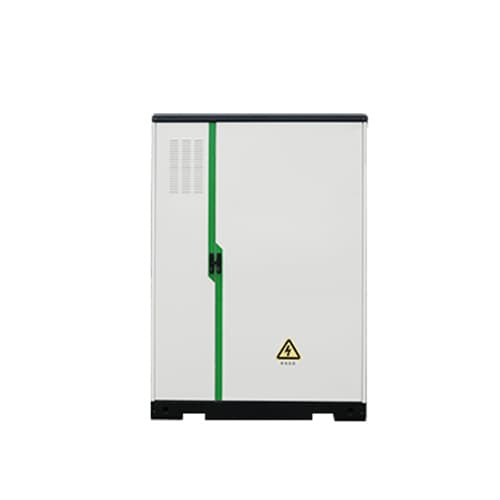
In der Praxis wird das volle Potenzial der PV-Anlage oft nicht ausgeschöpft. Es ist sinnvoll in den sonnigen Mittagsstunden möglichst viel selbst zu verbrauchen bzw. den Batteriespeicher zu laden. Eine intelligente Ladesteuerung erledigt dies anhand von Wetterprognosen und früheren Verbrauchswerten vollautomatisch..
Die Anschaffungskosten für Heimspeicher sind in den letzten Jahren deutlich gesunken. Zwischenzeitlich sanken die Preise kaum mehr, was auf eine hohe Nachfrage, aber auch die Knappheit, etwa bei Steuerungschips, zurückgeführt werden konnte. Mittel- und.
Batteriesysteme sind in den letzten Jahren effizienter und kostengünstiger geworden. Durch die in den vergangenen Jahren gestiegenen.
Generell empfiehlt es sich, sich direkt bei einem Fachunternehmen beraten zu lassen. Wenn Sie technische Informationen zu verschiedenen.
Lithium-Batteriespeicher lassen sich weitgehend wartungsfrei betreiben. Die Geräte werden in der Regel MIT dem Internet verbunden und lassen sich so komfortabel per Smartphone-App überwachen. Im Zuge des Anlagenchecks der Photovoltaik-Anlage, der etwa alle 4 bis 5.

Ein Batteriespeicher, auch als Solarbatterie, Solarakkumulator oder Hausspeicher bezeichnet, ist ein stationärer auf Basis eines und/oder eines . Wichtige Kenngrößen von Batteriespeichern sind die (Watt) und die (Wattstunden). Die Anzahl von Solarstromanlagen mit Batteriespeicher stieg in Deutschland von 5.0.

Ein Saisonalspeicher bzw. saisonaler Wärmespeicher oder Jahreszeitspeicher ( seasonal thermal energy storage (STES) ) ist ein Langzeitspeicher einer saisonalen , oft für eine . Damit kann der Anteil von signifikant erhöht werden. Saisonalspeicher sind ein zentraler Bestandteil der sehr erfolgreichen auf
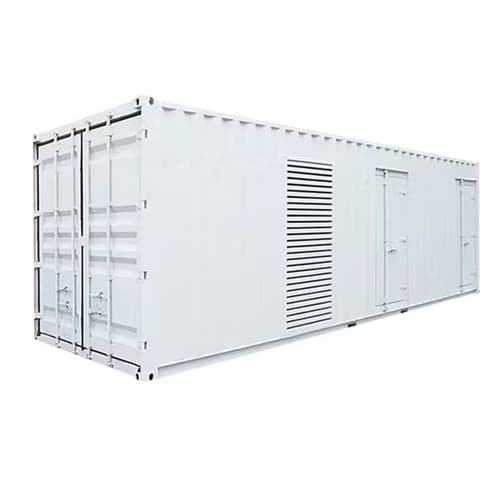
Durch die Energiewende, die u. a. aus und sowie der Endlichkeit der fossilen Energieträger einen Umstieg von konventionellen Kraftwerken hin zu mehrheitlich fluktuierenden vorsieht, wird sich langfristig weltweit ein zusätzlicher Bedarf an Energiespeichern ergeben. Hierbei muss sich jede Speicherlösung ökonomisch gegen verfügbare Alte.
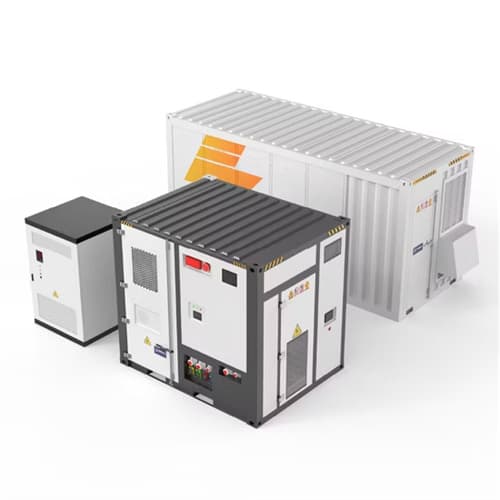
In der Praxis wird das volle Potenzial der PV-Anlage oft nicht ausgeschöpft. Es ist sinnvoll in den sonnigen Mittagsstunden möglichst viel selbst zu verbrauchen bzw. den Batteriespeicher zu laden. Eine intelligente Ladesteuerung erledigt dies anhand von Wetterprognosen und früheren Verbrauchswerten vollautomatisch..
Die Anschaffungskosten für Heimspeicher sind in den letzten Jahren deutlich gesunken. Zwischenzeitlich sanken die Preise kaum mehr, was auf eine hohe Nachfrage, aber auch die Knappheit, etwa bei Steuerungschips, zurückgeführt werden konnte. Mittel- und.
Batteriesysteme sind in den letzten Jahren effizienter und kostengünstiger geworden. Durch die in den vergangenen Jahren gestiegenen.
Generell empfiehlt es sich, sich direkt bei einem Fachunternehmen beraten zu lassen. Wenn Sie technische Informationen zu verschiedenen.
Lithium-Batteriespeicher lassen sich weitgehend wartungsfrei betreiben. Die Geräte werden in der Regel MIT dem Internet verbunden und lassen sich so komfortabel per Smartphone-App überwachen. Im Zuge des Anlagenchecks der Photovoltaik-Anlage, der etwa alle 4 bis 5.

A battery energy storage system (BESS), battery storage power station, battery energy grid storage (BEGS) or battery grid storage is a type of energy storage technology that uses a group of batteries in the grid to store electrical energy. Battery storage is the fastest responding dispatchable source of power on electric grids, and.
Battery storage power plants and (UPS) are comparable in technology and function. However, battery.
Most of the BESS systems are composed of securely sealed , which are electronically monitored and replaced once their performance falls.
While the energy storage capacity of grid batteries is still small compared to the other major form of grid storage, with.
Since they do not have any mechanical parts, battery storage power plants offer extremely short control times and start times, as little as 10 ms. They can therefore help dampen the fast oscillations that.

Photovoltaics companies include PV capital equipment producers, cell manufacturers, panel manufacturers and installers. The list does not include silicon manufacturing companies.
This is a list of notable photovoltaics (PV) companies.Grid-connected solar (PV) is the fastest growing energy technology in the world, growing from a cumulative installed capacity of 7.7 GW in.
China now manufactures more than half of the world's solar photovoltaics. Its production has been rapidly escalating. In 2001 it had less than 1% of the world market. In contrast, in 2001 Japan and the.
Other notable companies include:• , Hong Kong, China• , Tucson, Arizona, US•
Top 10 by yearSummaryAccording to EnergyTrend, the 2011 global top ten , solar cell and solar module manufacturers by capacity were found in countries including People's Republic of China, United States,.
• • • • •
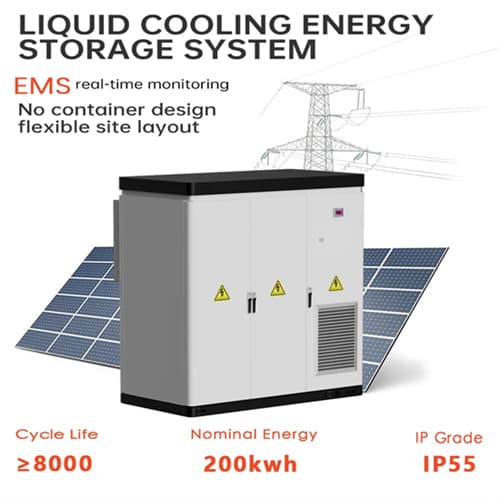
Photovoltaics companies include PV capital equipment producers, cell manufacturers, panel manufacturers and installers. The list does not include silicon manufacturing companies.
This is a list of notable photovoltaics (PV) companies.Grid-connected solar (PV) is the fastest growing energy technology in the world, growing from a cumulative installed capacity of 7.7 GW in.
China now manufactures more than half of the world's solar photovoltaics. Its production has been rapidly escalating. In 2001 it had less than 1% of the world market. In contrast, in 2001 Japan and the.
Other notable companies include:• , Hong Kong, China• , Tucson, Arizona, US•
Top 10 by yearSummaryAccording to EnergyTrend, the 2011 global top ten , solar cell and solar module manufacturers by capacity were found in countries including People's Republic of China, United States,.
• • • • •

Crystalline silicon photovoltaics are only one type of PV, and while they represent the majority of solar cells produced currently there are many new and promising technologies that have the potential to be scaled up to meet future energy needs. As of 2018, crystalline silicon cell technology serves as the basis for several PV module types, including monocrystalline, multicrystalline, mono PERC, and bifacial.
Our Projects in the wowld

Integrated Photovoltaic-Storage Project

Domestic Energy Storage Project

Energy Storage System,Control System,Electrical Protection

10-foot and 20-foot container,energy storage systems

1MW Photovoltaic Folding Container Project

Distributed Photovoltaic + Energy Storage Project
Your message has been received. Our team will contact you within 24 hours.
Fill out the form below to get a free quotation.
