

The (LCOE) is a metric that attempts to compare the costs of different methods of electricity generation consistently. Though LCOE is often presented as the minimum constant price at which electricity must be sold to over the lifetime of the project, such a cost analysis requires assumptions about the value of various non-financial costs (environmental impacts, local availability, oth.

The (LCOE) is a metric that attempts to compare the costs of different methods of electricity generation consistently. Though LCOE is often presented as the minimum constant price at which electricity must be sold to over the lifetime of the project, such a cost analysis requires assumptions about the value of various non-financial costs (environmental impacts, local availability, oth.

The Commission report on energy prices and costs takes stock of the latest trends for gas, electricity and oil prices, as well as other energy costs in Europe and internationally.
The 5th report highlights that European and global energy markets have been going through a severe crisis since 2020. Wholesale gas and electricity prices rose to historic.
The report warns about the costs for the EU from its high reliance on fossil fuel imports, noting that the EU’s energy import bill reached €604 billion in 2022, after an historic low.
The report shows that energy taxescontinue to be an important and stable source of revenues for EU countries, amounting to 4.2% of their total tax revenues in 2021. The.
While calculating costs, several internal cost factors have to be considered. Note the use of "costs," which is not the actual selling price, since this can be affected by a variety of factors such as subsidies and taxes: • tend to be low for gas and oil ; moderate for onshore wind turbines and solar PV (photovoltaics); higher for coal plants and higher still for , and , ,.

While calculating costs, several internal cost factors have to be considered. Note the use of "costs," which is not the actual selling price, since this can be affected by a variety of factors such as subsidies and taxes: • tend to be low for gas and oil ; moderate for onshore wind turbines and solar PV (photovoltaics); higher for coal plants and higher still for , and , ,.

Detailed data and analysis of energy prices and costs in Europe, published by the Commission every 2 years.
The 5th report highlights that European and global energy markets have been going through a severe crisis since 2020. Wholesale gas and electricity prices rose to historic.
The report warns about the costs for the EU from its high reliance on fossil fuel imports, noting that the EU’s energy import bill reached €604 billion in 2022, after an historic low.
The report shows that energy taxescontinue to be an important and stable source of revenues for EU countries, amounting to 4.2% of their total tax revenues in 2021. The.

The (LCOE) is a metric that attempts to compare the costs of different methods of electricity generation consistently. Though LCOE is often presented as the minimum constant price at which electricity must be sold to over the lifetime of the project, such a cost analysis requires assumptions about the value of various non-financial costs (environmental impacts, local availability, oth.

While calculating costs, several internal cost factors have to be considered. Note the use of "costs," which is not the actual selling price, since this can be affected by a variety of factors such as subsidies and taxes: • tend to be low for gas and oil ; moderate for onshore wind turbines and solar PV (photovoltaics); higher for coal plants and higher still for , and , ,.

The (LCOE) is a metric that attempts to compare the costs of different methods of electricity generation consistently. Though LCOE is often presented as the minimum constant price at which electricity must be sold to over the lifetime of the project, such a cost analysis requires assumptions about the value of various non-financial costs (environmental impacts, local availability, oth.

The first of these systems to be revealed was the Flybrid. This system weighs 24 kg (53 lbs) and has an of 400 kJ after allowing for internal losses. A maximum power boost of 60 kW (81.6 , 80.4 HP) for 6.67 seconds is available. The 240 mm (9.4 in) diameter flywheel weighs 5.0 kg (11 lbs) and revolves at up to 64,500 rpm. Maximum torque at the flywheel is 18 Nm (13.3 ftlbs), and the torque at the gea.
Our Projects in the wowld

Integrated Photovoltaic-Storage Project

Domestic Energy Storage Project

Energy Storage System,Control System,Electrical Protection

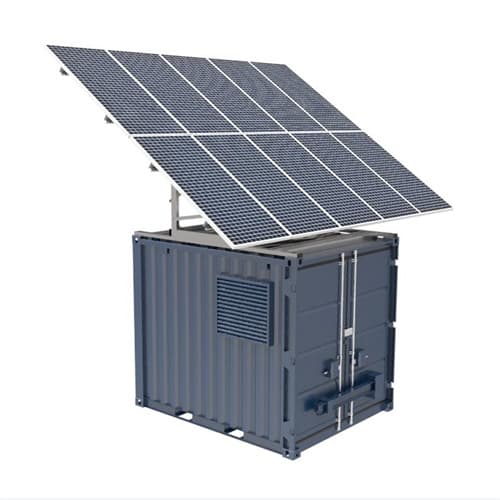
10-foot and 20-foot container,energy storage systems

1MW Photovoltaic Folding Container Project

Distributed Photovoltaic + Energy Storage Project
Your message has been received. Our team will contact you within 24 hours.
Fill out the form below to get a free quotation.
