

This is typically mentioned on the device label or in its manual. It’s usually given in watts (W). If it’s in kilowatts (kW), that’s even better since we will be.
Multiply the device’s power consumption in kW by the number of hours it operates daily. Daily Energy Consumption (kWh) = Power in kW × Operational Hours Per Day
Multiply the weekly energy consumption by your electricity rate (price per kWh). Weekly Electricity Cost = Weekly Energy Consumption × Price.
Multiply the daily energy consumption by the number of days the device operates in a week. Weekly Energy Consumption (kWh) = Daily Energy Consumption × Days of Operation Per Week
This page focuses on total energy and electricity consumption, without digging into the details of where this energy comes from, and how sources are changing over time. In.
Demand for energy is growing across many countries in the world, as people get richer and populations increase. If this increased demand is not offset by improvements.
When we look at total energy consumption, differences across countries often reflect differences in population size: countries with lots of people inevitably consume more energy.
World energy resources are the estimated maximum capacity for energy production given all available resources on . They can be divided by type into , and .

Renewable energyis energy that has been derived from earth’s natural resources that are not finite or exhaustible, such as wind and sunlight. Renewable energy is an alternative to the.
As a consumer you have several opportunities to make an impact on improving the environment through the choice of a greener energy solution. If you’re a homeowner, you have.

An inverter converts the DC electricity from sources such as or to AC electricity. The electricity can be at any required voltage; in particular it can operate AC equipment designed for mains operation, or rectified to produce DC at any desired voltage. An (UPS) uses batteries and an inverter to supply AC po.

Mercuria Energy Group Ltd. is a -domiciled Swiss multinational company active in a wide spectrum of global energy markets including and refined petroleum products, (including LNG), power, , and agricultural products. The company is one of the world's five largest independent energy traders and asset operators and is based in ,.
This article focuses on the quantity of energy we consume — looking at total energy and electricity consumption; how countries compare when we look at this per person; and how energy consumption is changing over time.
Demand for energy is growing across many countries in the world, as people get richer and populations increase. If this increased demand is not offset by improvements.
When we look at total energy consumption, differences across countries often reflect differences in population size: countries with lots of people inevitably consume more energy.
Total energy supply (TES) indicates the sum of production and imports subtracting exports and storage changes. For the whole world TES nearly equals primary energy (PE) because imports and exports cancel out, but for countries TES and PE differ in quantity, and also in quality as secondary energy is involved, e.g., import of an oil refinery product. TES is all energy required to supply energy for end users. The tables list TES and PE for some countries where these differ much, both in 2021 and TES history.
Demand for energy is growing across many countries in the world, as people get richer and populations increase. If this increased demand is not offset by improvements in energy efficiency elsewhere, then our global energy consumption will continue to grow year-on-year. Growing energy consumption makes the challenge of.
When we look at total energy consumption, differences across countries often reflect differences in population size: countries with lots of people inevitably consume more energy.
Earth's energy budget (or Earth's energy balance) is the balance between the that receives from the and the energy the Earth loses back into . Smaller energy sources, such as Earth's internal heat, are taken into consideration, but make a tiny contribution compared to solar energy. The energy budget also takes into account how energy moves through the . The Sun heats the equa.

This article focuses on the quantity of energy we consume — looking at total energy and electricity consumption; how countries compare when we look at this per person; and how energy consumption is changing over time.
Demand for energy is growing across many countries in the world, as people get richer and populations increase. If this increased demand is not offset by improvements.
When we look at total energy consumption, differences across countries often reflect differences in population size: countries with lots of people inevitably consume more energy.

Demand for energy is growing across many countries in the world, as people get richer and populations increase. If this increased demand is not offset by improvements.
When we look at total energy consumption, differences across countries often reflect differences in population size: countries with lots of people inevitably consume more energy.

The RES Group (Renewable Energy Systems) is the world's largest independent company, having been in the sector for more than 40 years. As of 2023 , the company had established more than 23 gigawatts of renewable energy projects worldwide and supported more than 12 gigawatts operations. Employing more than 2500 people in 14 countries, it operates onshore and in wind and , in energy storage and in transmission and distribution.
Our Projects in the wowld

Integrated Photovoltaic-Storage Project

Domestic Energy Storage Project

Energy Storage System,Control System,Electrical Protection

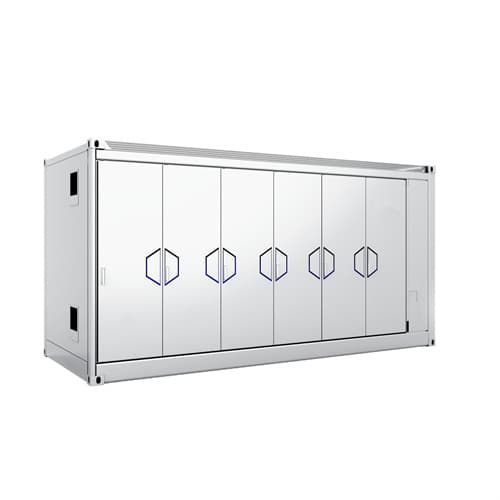
10-foot and 20-foot container,energy storage systems

1MW Photovoltaic Folding Container Project

Distributed Photovoltaic + Energy Storage Project
Your message has been received. Our team will contact you within 24 hours.
Fill out the form below to get a free quotation.
