
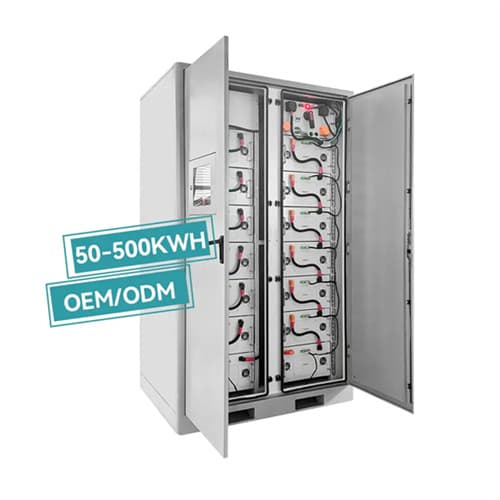
Electricity can be stored directly for a short time in capacitors, somewhat longer electrochemically in , and much longer chemically (e.g. hydrogen), mechanically (e.g. pumped hydropower) or as heat. The first pumped hydroelectricity was constructed at the end of the 19th century around in Italy, Austria, and Switzerland. The technique rapidly expanded during the 1960s to 1980s ,.

Electric generators were known in simple forms from the discovery of in the 1830s. In general, some form of prime mover such as an engine or the turbines described above, drives a rotating magnetic field past stationary coils of wire thereby turning mechanical energy into electricity. The only commercial scale forms of electricity production that do not employ a generator are and

They comprise a , , / and on a single shaft or two. They can have a capturing waste heat to improve the compressor efficiency, an and . They rotate at over 40,000 and a common single shaft microturbine usually rotates at 90,000 to 120,000 RPM. They often have a single stage and a single stage . Recuper.

A photovoltaic system for residential, commercial, or industrial energy supply consists of the solar array and a number of components often summarized as the (BOS). This term is synonymous with "" q.v. BOS-components include power-conditioning equipment and structures for mounting, typically one or more DC to power converters, also known as , an energy storage device,.

Solar power, also known as solar electricity, is the conversion of energy from into , either directly using (PV) or indirectly using . use the to convert light into an . Concentrated solar power systems use or mirrors and systems to focus a large area of sunlight to a hot spot, often to drive a .

Solar power, also known as solar electricity, is the conversion of energy from into , either directly using (PV) or indirectly using . use the to convert light into an . Concentrated solar power systems use or mirrors and systems to focus a large area of sunlight to a hot spot, often to drive a .

Islanding is the intentional or unintentional division of an into individual disconnected regions with their own . Intentional islanding is often performed as a to mitigate a . If one island collapses, it will not take neighboring islands with it. For example, have cooling systems that are typically powered from the general grid. The coolant loops typically lie.

Electricity can be stored directly for a short time in capacitors, somewhat longer electrochemically in , and much longer chemically (e.g. hydrogen), mechanically (e.g. pumped hydropower) or as heat. The first pumped hydroelectricity was constructed at the end of the 19th century around in Italy, Austria, and Switzerland. The technique rapidly expanded during the 1960s to 1980s ,.

Nuclear power construction costs have varied significantly across the world and over time. Rapid increases in costs occurred during the 1970s, especially in the United States. Recent cost trends in countries such as Japan and Korea have been very different, including periods of stability and decline in construction costs. New typically have high for building plants. F.
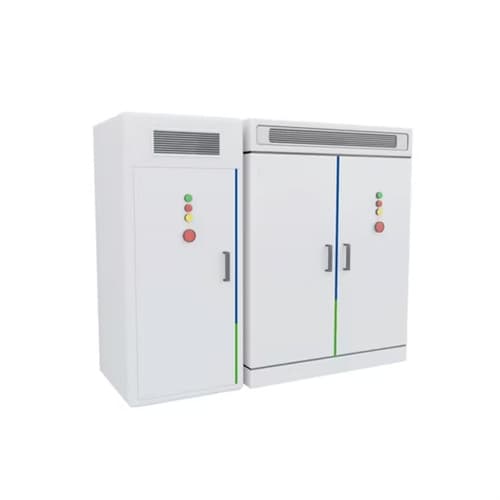
The core of the Sun extends from the centre to about 20–25% of the solar radius. It has a density of up to 150 g/cm (about 150 times the density of water) and a temperature of close to 15.7 million (K). By contrast, the Sun's surface temperature is about 5800 K. Recent analysis of mission data favours the idea that the core is rotating faster than the radiative zone outside it. Through most of the.
Our Projects in the wowld

Integrated Photovoltaic-Storage Project

Domestic Energy Storage Project

Energy Storage System,Control System,Electrical Protection

10-foot and 20-foot container,energy storage systems

1MW Photovoltaic Folding Container Project

Distributed Photovoltaic + Energy Storage Project
Your message has been received. Our team will contact you within 24 hours.
Fill out the form below to get a free quotation.
