

[3] The United States conducted much early research in photovoltaics and concentrated solar power. It is among the top countries in the world in electricity generated by the sun and several of the world's largest utility-scale installations are located in the desert Southwest.
includes as well as local , mostly and increasingly from arrays. In 2025, utility-scale solar power generated 295.7 (TWh) in the United States. Total solar.
The provided major subsidies for research into photovoltaic technology and sought to increase commercialization in the industry.In the early 1980s, the.
HistoryOne of the first applications of concentrated solar was the 6 horsepower (4.5 kW) solar powered motor made by.
• • • • • — solar installation on filled landfills or
A 2012 report from the (NREL) described technically available renewable energy resources for each state.
Solar PV installed capacityIn the United States, 14,626 MW of PV was installed in 2016, a 95% increase over 2015 (7,493 MW). During.
A complete list of incentives is maintained at the Database of State Incentives for Renewable Energy (DSIRE). Most solar power systems are grid.

The SEIA report tallies all types of solar energy, and in 2007 the United States installed 342 MW of solar photovoltaic (PV) electric power, 139 thermal megawatts (MW th) of solar water heating, 762 MW th of pool heating, and 21 MW th of solar space heating and cooling.
includes as well as local , mostly and increasingly from arrays. In 2025, utility-scale solar power generated 295.7 (TWh) in the United States. Total solar.
The provided major subsidies for research into photovoltaic technology and sought to increase commercialization in the industry.In the early 1980s, the.
HistoryOne of the first applications of concentrated solar was the 6 horsepower (4.5 kW) solar powered motor made by.
• • • • • — solar installation on filled landfills or
A 2012 report from the (NREL) described technically available renewable energy resources for each state.
Solar PV installed capacityIn the United States, 14,626 MW of PV was installed in 2016, a 95% increase over 2015 (7,493 MW). During.
A complete list of incentives is maintained at the Database of State Incentives for Renewable Energy (DSIRE). Most solar power systems are grid.

The cost of Trina Solar panels varies based on local installation costs, shipping, and other market factors. As of January 2025, the average cost per watt for solar panelsis $3.03. As a highly reputable brand, you can expect Trina Solar panels to be around that average or higher. Guaranteed customer service may increase costs, but it’s.
Trina Solar offers two types of monocrystalline residential solar panels: the DE06X.05(II) and the DD06M.05 modules. Both of the PV modules use half-cut cells and come with either a white or black backsheet, enhancing their visual appeal. Half-cut solar panels are more efficient.
When purchasing solar panels, it's important to understand their warranty. Trina Solar offers a generous 25-year product and performance.
Half-cut panels increase solar production by essentially cutting the panel in half so that the top portion operates independently from the bottom portion, meaning shade cover on one half will not affect the.
Trina Solar is an excellent choice for home solar panels based on their high-quality craftsmanship, company longevity, and financial health. Trina Solar offers a great warranty and high.
Solar cells made out of silicon currently provide a combination of high efficiency, low cost, and long lifetime. Modules are expected to last for 25 years or more, still producing more than 80% of their original power after this time.
Silicon is, by far, the most common semiconductor material used in solar cells, representing approximately 95% of the modules sold(link is external)today. It is also the second most.
A thin-film solar cell is made by depositing one or more thin layers of PV material on a supporting material such as glass, plastic, or metal. There are two main types of thin-film PV semiconductors on the market today: cadmium telluride (CdTe) and copper indium gallium.
Perovskite solar cells are a type of thin-film cell and are named after their characteristic crystal structure. Perovskite cells are built with layers of materials.
Organic PV, or OPV, cells are composed of carbon-rich (organic) compounds and can be tailored to enhance a specific function of the PV cell, such as.

Tesla acquired SolarCity in 2016, at a cost of approximately US$2.6 billion (equivalent to $3.5 billion in 2025) and reorganized its solar business into Tesla Energy.
SolarCity Corporation was a publicly traded company headquartered in , that sold and installed systems as well as other related products and services to residential, commercial, and.
Buffalo Billion is a billion-dollar program launched by the administration of New York Governor Andrew.
SolarCity indirectly funds a political advocacy group known as the Checks and Balances Project. The project has criticized the elected members of the (the.
SolarCity was founded in 2006 by South African brothers Peter and , based on a suggestion for a solar company concept by their cousin, , who was the chairman and.
Solar leasingIn 2008, SolarCity entered the solar leasing market with a new solar lease option for homeowners: leasing.
In 2014, SolarCity announced plans to build a new manufacturing facility (now known as the Gigafactory 2) in , in coordination with the ,.
SolarCity partnered with banks, large corporations, and the market to create funds to finance its lease and (PPA) options. Among.

[3] The United States conducted much early research in photovoltaics and concentrated solar power. It is among the top countries in the world in electricity generated by the sun and several of the world's largest utility-scale installations are located in the desert Southwest.
includes as well as local , mostly and increasingly from arrays. In 2025, utility-scale solar power generated 295.7 (TWh) in the United States. Total solar.
The provided major subsidies for research into photovoltaic technology and sought to increase commercialization in the industry.In the early 1980s, the.
HistoryOne of the first applications of concentrated solar was the 6 horsepower (4.5 kW) solar powered motor made by.
• • • • • — solar installation on filled landfills or
A 2012 report from the (NREL) described technically available renewable energy resources for each state.
Solar PV installed capacityIn the United States, 14,626 MW of PV was installed in 2016, a 95% increase over 2015 (7,493 MW). During.
A complete list of incentives is maintained at the Database of State Incentives for Renewable Energy (DSIRE). Most solar power systems are grid.

Photovoltaics companies include PV capital equipment producers, cell manufacturers, panel manufacturers and installers. The list does not include silicon manufacturing companies.
This is a list of notable photovoltaics (PV) companies.Grid-connected solar (PV) is the fastest growing energy technology in the world, growing from a cumulative installed capacity of 7.7 GW in.
China now manufactures more than half of the world's solar photovoltaics. Its production has been rapidly escalating. In 2001 it had less than 1% of the world market. In contrast, in 2001 Japan and the.
Other notable companies include:• , Hong Kong, China• , Tucson, Arizona, US•
Top 10 by yearSummaryAccording to EnergyTrend, the 2011 global top ten , solar cell and solar module manufacturers by capacity were found in countries including People's Republic of China, United States,.
• • • • •

Ultium vehicles are powered by a modular family of five drive units and three electric traction motors, known collectively as "Ultium Drive". Mass production of Ultium Drive motors and units was scheduled to start in 2024 at the GM and propulsion factories. Planned motors include: • A 180 kW (245 PS; 241 hp) front-drive

Our modules have received the renowned designation of “Quality Controlled PV” by TÜV Rheinland, speaking to their industry leading level of quality and reliability. Qcells’ advanced production process prevents hot spots, ensuring safety and reducing risks of yield loss.
Qcells solar modules with Q.ANTUM Technology deliver impressive performance in real-world conditions and offer the absolute first-class performance.
Our modules include product warranties up to 25 years and best-in-class performance warranties up to 30 years, guaranteeing a reliable investment *Modules vary in their.

In 2007, , , and agreed to establish a lithium-ion battery company for electric vehicles, focused on development to production. In 2008, the company was established with a capital of ¥1.5 billion ($14.3 million) with a Nissan, NEC, and NEC TOKIN holding shares of 51:42:7 respectively. The aim was to establish a manufacturing facility at Nissan's site in (c.2009) with an initial capacity of 13,000 units per year. The eventual annual goal was 65,0.
Our Projects in the wowld

Integrated Photovoltaic-Storage Project

Domestic Energy Storage Project

Energy Storage System,Control System,Electrical Protection

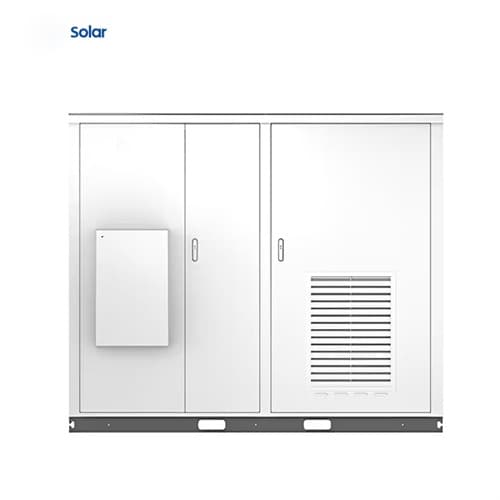
10-foot and 20-foot container,energy storage systems

1MW Photovoltaic Folding Container Project

Distributed Photovoltaic + Energy Storage Project
Your message has been received. Our team will contact you within 24 hours.
Fill out the form below to get a free quotation.
