

But how exactly is it different, how much does it cost, and is it even worth buying? In this post, we will go over everything you need to know about the SmartFlower solar panel system so that you can make the right decision when going solar.
The biggest difference between a rooftop solar system and the SmartFlower system is that the SmartFlower is ground-mounted. Ground-mounted.
Before applying for all incentives and tax credits, the SmartFlower solar panel system ranges in price from $25,000 to $30,000 with the average cost to install at $27,000. There are two models that you can choose from, and this is why the price can vary. The upgraded SmartFlower.
The answer to this question depends on what your goals are for your home’s solar energy system. If you care about design and ease of use more than cost-effectiveness, and also do not need to cover all of.
One of the best ways to get an understanding of how the cost of a solar panel system compares with others is to break it down to the price per watt.

Before applying for all incentives and tax credits, the SmartFlower solar panel system ranges in price from $25,000 to $30,000 with the average cost to install at $27,000. There are two models that you can choose from, and this is why the price can vary. The upgraded SmartFlower +Plus is exactly the same as the base version but.
The biggest difference between a rooftop solar system and the SmartFlower system is that the SmartFlower is ground-mounted. Ground-mounted.
One of the best ways to get an understanding of how the cost of a solar panel system compares with others is to break it down to the price per watt.
The answer to this question depends on what your goals are for your home’s solar energy system. If you care about design and ease of use more than cost-effectiveness, and also do not need to cover all of.
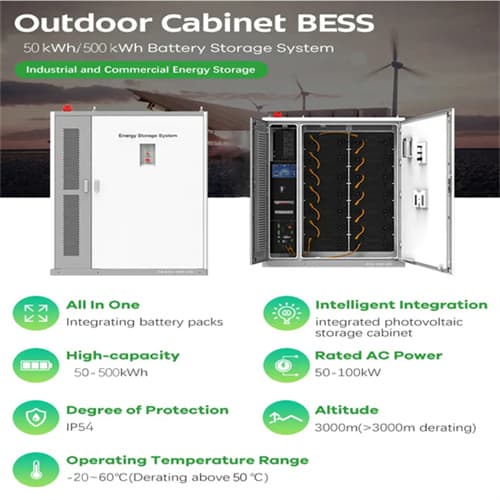
Renewable energy (also called green energy) is made from that are replenished on a . The most widely used renewable energy types are , , and . and are also significant in some countries. Renewable energy installations can be large or small and are suited for both urban and rural areas. Renewable energy is oft.

Solar power is an important contributor to electricity generation in Italy, accounting for 12.3% of total generation in 2023, and with a total installed capacity of 36.01 GW. As of 2023, government plans are targeting solar PV capacity to rise to 79 GW by 2030. Like most countries, solar power usage in Italy was minimal before the.
The entire nation of Italy retains high potential for solar energy production, ranging from 3.6 kWh per square meter per day in the Po river plain to 5.4 kWh per.
Government targets for (RES) and different support schemes, especially for solar photovoltaics, resulted in an increase.
Italy currently maintains various (CSP) projects. Concentrated solar power plants concentrate solar energy into single points of.
Installed capacityInstalled capacity in Italy was less than 100 MW before 2008. Growth accelerated during 2008 and 2009 to reach over 1,000 MW installed capacity and.
Italy has long sought to develop renewable energy resources due to having few domestic fossil fuel resources. Around 1850 wood, and.
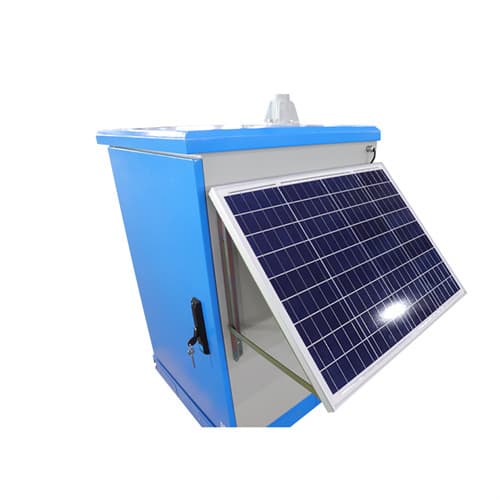
Sodium ion batteries are next-generation solutions for the growing residential solar industry. Many view it as a way to scale energy storage, because, compared to lithium ion technology, it uses widely abundant and sustainable materials. Low production costs for sodium ion batteries could also boost product deployment. However,.
A sodium ion battery uses sodium as a charge carrier. The internal structureof sodium ion batteries is similar to lithium ion batteries, which is why they are often pitted against each other. Sodium ion batteries are rechargeable just like lithium ion, lead acid, and absorbent glass.
There are several companies on a quest to develop and launch sodium ion batteries. Many of these businesses have prototypes available and are coming close to delivering Na-ion batteries to mainstream consumers.
Let’s compare sodium ion batteries with two popular types of lithium ion batteries– nickel manganese cobalt (NMC) and lithium iron phosphate (LFP). These lithium ion batteries are the most common.

Eine Photovoltaik-Anlage MIT 8 kWp Leistung und Stromspeicher kostet durchschnittlich 17.137 Euro (netto) inklusive Montage. Pro Kilowatt-Peak (kWp) liegen die spezifischen Kosten bei 2.142 Euro. Die übliche Preisspanne liegt derzeit zwischen 13.200 und 22.100 Euro.
In der nachfolgenden Tabelle sind die aktuellen Durchschnittskosten für Photovoltaikanlagen MIT 8 kWp Nennleistung (mit und ohne Speicher) aufgelistet: Alle Kostenangabe.
Eine Photovoltaikanlage MIT 8 kWp Leistung und Stromspeicher kostet durchschnittlich 20.763 Euro (netto) inklusive Montage. Pro Kilowatt-Peak (kWp) liegen die.
Dem Kauf einer PV-Anlage stehen Opportunitätskosten entgegen, deshalb sollte die erzielte Rendite der PV-Anlage MIT 8 kWp mindestens über dem risikofreien Zinssatz.
8 kWp Photovoltaikanlagen sind eine gängige und effiziente Wahl für Einfamilienhäuser. Die meisten Dachflächen haben reichlich Platz, um genügend Solarmodule.

Statistics indicate that less than 1% of the country’s total energy consumption comes from solar sources. The Philippines, despite its abundant sunlight, only utilizes a fraction of its solar energy potential.
Solar energy is an increasingly popular power source in the Philippines, with several new projects unveiled and billions in investments poured into the nation’s.
A reportby the Philippines’ Department of Energy (PDOE) highlights the country’s high levels of direct sunlight all year round. In other words, the Philippines has a large solar energy potential. This.
Experts predict that the solar energy market in the Philippines will record a CAGR of 15%during the 2022-2027 period. This is buoyed by significant.
Solar power plants are coming online across the entirety of the Philippines. Some models show that some major hubs may be able to source half of their.

The following is a list of photovoltaic power stations that are larger than 500 (MW) in current net capacity. Most are individual , but some are groups of owned by different and with separate connections to the grid. Wiki-Solar reports total global capacity of utility-scale photovoltaic plants to be some 96 GWAC which generated 1..

In der Praxis wird das volle Potenzial der PV-Anlage oft nicht ausgeschöpft. Es ist sinnvoll in den sonnigen Mittagsstunden möglichst viel selbst zu verbrauchen bzw. den Batteriespeicher zu laden. Eine intelligente Ladesteuerung erledigt dies anhand von Wetterprognosen und früheren Verbrauchswerten vollautomatisch..
Die Anschaffungskosten für Heimspeicher sind in den letzten Jahren deutlich gesunken. Zwischenzeitlich sanken die Preise kaum mehr, was auf eine hohe Nachfrage, aber auch die Knappheit, etwa bei Steuerungschips, zurückgeführt werden konnte. Mittel- und.
Batteriesysteme sind in den letzten Jahren effizienter und kostengünstiger geworden. Durch die in den vergangenen Jahren gestiegenen.
Generell empfiehlt es sich, sich direkt bei einem Fachunternehmen beraten zu lassen. Wenn Sie technische Informationen zu verschiedenen.
Lithium-Batteriespeicher lassen sich weitgehend wartungsfrei betreiben. Die Geräte werden in der Regel MIT dem Internet verbunden und lassen sich so komfortabel per Smartphone-App überwachen. Im Zuge des Anlagenchecks der Photovoltaik-Anlage, der etwa alle 4 bis 5.

Photovoltaik-Anlagen können auf vorhandenen Dachbegrünungen nachgerüstet werden, sofern die Dach-Statik dies zulässt. Grundlage sind Standard-ZinCo-Produkte. Dabei werden zwei Solar-Grundrahmen untereinander und auf Solar-Montageprofilen verschraubt sowie MIT.
Bei der klassischen Südausrichtung wird der höchste Ertrag über die Mittagszeit erzielt. Die Solar-Grundrahmen ermöglichen eine Neigung der.
Bei Arbeiten auf Flachdächern, wozu auch Wartungsarbeiten von Solaranlagen zählen, sind ab einer Absturzhöhe von 3,00 m Einrichtungen erforderlich, die ein Abstürzen von Personen.
Systeme MIT einer Ost-West Ausrichtung ermöglichen einen gleichmäßigeren Ertrag über den Tagesverlauf und tragen dazu bei, übermäßige Stromspitzen zu vermeiden. Bei der Variante.
SolarVert® MIT senkrechter Modul-Anordnung vereint die Vorteile der Ost-West und der Südausrichtung. Bifaciale PV-Module nutzen die.
Our Projects in the wowld

Integrated Photovoltaic-Storage Project

Domestic Energy Storage Project

Energy Storage System,Control System,Electrical Protection

10-foot and 20-foot container,energy storage systems

1MW Photovoltaic Folding Container Project

Distributed Photovoltaic + Energy Storage Project
Your message has been received. Our team will contact you within 24 hours.
Fill out the form below to get a free quotation.
