

Ein Solar-Wechselrichter MIT Speicheranschluss und Ersatzstromfunktion verbessert die Eigennutzung des produzierten Solarstroms. Eine hohe.
Der Hybrid‑Wechselrichter ist für einen maximalen Eingangsstrom von 25 A ausgelegt. Der Arbeitsbereich der beiden MPP‑Tracker liegt zwischen 80 und 800 V. Das.

2016 beantragte die Eigentümerin STEAG die Stilllegung des Kraftwerkes für das Jahr 2017. Der erklärte das Kraftwerk jedoch als systemrelevant und forderte die STEAG auf, das Kraftwerk bis mindestens November 2019 betriebsbereit zu halten. Es befand sich in der Folge in der . Am 26. April 2018 stellte die STEAG als Betreiber erneut einen Antrag auf vorläufige Stilllegung des Kraftwerkes, worauf hin Amprion erneut die Systemrelevanz feststellte. Dies.

This is typically mentioned on the device label or in its manual. It’s usually given in watts (W). If it’s in kilowatts (kW), that’s even better since we will be using kilowatts-hour (kWh) for the calculation. If the consumption is given in watts, you’ll need to convert it to kilowatts by dividing by 1,000. For example, if a device consumes 500W, t.
Multiply the device’s power consumption in kW by the number of hours it operates daily. Daily Energy Consumption (kWh) = Power in kW × Operational Hours Per Day
Multiply the daily energy consumption by the number of days the device operates in a week. Weekly Energy Consumption (kWh) = Daily Energy Consumption × Days of Operation Per Week
Multiply the weekly energy consumption by your electricity rate (price per kWh). Weekly Electricity Cost = Weekly Energy Consumption × Price.

This is typically mentioned on the device label or in its manual. It’s usually given in watts (W). If it’s in kilowatts (kW), that’s even better since we will be.
Multiply the device’s power consumption in kW by the number of hours it operates daily. Daily Energy Consumption (kWh) = Power in kW × Operational Hours Per Day
Multiply the weekly energy consumption by your electricity rate (price per kWh). Weekly Electricity Cost = Weekly Energy Consumption × Price.
Multiply the daily energy consumption by the number of days the device operates in a week. Weekly Energy Consumption (kWh) = Daily Energy Consumption × Days of Operation Per Week
Before we proceed to the 4 KW solar panel price and specifications, it is significant to understand the working mechanism of a 4KW solar system. Solar panels are generally fabricated from silicon. When these panels receive sunlight, the particles of light get trapped in the thin silicon layer of the solar panels. They knock.
Various factors influence the 4 KW solar system price, including the model, type of solar cells used, brand, etc. In India, the 4 KW solar panel price range is between Rs. 1,80,000.
The three types of solar systems are – on-grid, off-grid, and hybrid. Let us learn about them briefly! 1. On-Grid Solar System An on-grid solar system is also known as a grid-tied.
Now, let us understand the significant specifications and how these affect the 4 KW solar panel price. If you select the solar panels fabricated with monocrystalline PV cells,.
Solar conversion kit includes a solar charge controller that helps to convert your normal inverter to a solar inverter. It also includes solar panels, Solar Management Unit (SMU),.

In der folgenden Tabelle sind die Anschaffungskosten von PV-Anlagen MIT Speicher pro Quadratmeter angegeben: Das Preisgefälle zwischen kleinen und großen.
Die Tabelle gibt einen Überblick über die unterschiedlichen Preise pro Quadratmeter für Photovoltaikanlagen, die sich je nach Größe der Dachfläche verändern. Der.
Anstelle einer Preisangabe pro Quadratmeter werden bei Photovoltaikanlagen häufig die Kosten pro Kilowatt-Peak (kWp) verwendet. Die Leistungskennzahl kWp basiert auf.
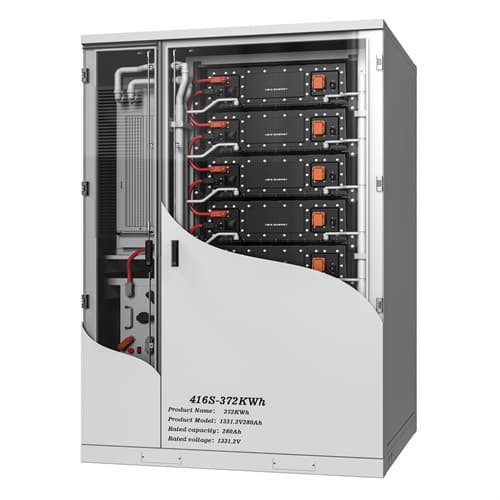
Een thuisaccu van 100 kWh heeft een enorme capaciteit. Om het meeste te halen uit je thuisaccu wil je geen overgedimensioneerde batterij en zal je dus meestal een kleinere capaciteit nodig hebben. Maar hoe bereken je je nodige accu-capaciteit? Er zijn 2 factoren waar je rekening mee moet houden:
Er zijn een aantal factoren die meespelen wanneer je een thuisaccu van 100 kWh wil aankopen. We zetten ze even voor jou op een rijtje:
Er zijn een aantal factoren die de prijs van een thuisaccu beïnvloeden. De kosten hangen sterk af van het merk, het aantal laadcycli, maar ook van de opslagcapaciteit. Logischerwijs: hoe groter de opslagcapaciteit, hoe hoger de prijs. Een thuisbatterij van 100 kWh is een grote.
Een erkende vakman inschakelen is de beste garantie op een goed uitgevoerde klus. Zelf een thuisaccu installeren kan namelijk enkel als je veel kennis hebt.

What’s the difference between kW and kWh? The kWh measurement is a way to quantify how much energy is used over a period of time. This can be calculated by multiplying the kW of energy consumption by the total number of hours the lighting has been operated. Let’s go back to the example of having ten 100W light bulbs. How.
Before LEDs hit the market, you probably made a lot of lighting decisions based on wattage. You unscrewed a burned out light bulb and saw “60W” at the top. All you had on hand was a light bulb.
Just like watts, kilowattsis a measure of how much energy something will consume. Going from watts (W) to kilowatts (kW) is a pretty straightforward.
Okay, enough theory. How about a practical example to explain the difference between kW and kWh? (Here’s where the water analogy comes in.) Let’s imagine.

Picking the parts of a solar installation so they would match together can be tedious and complicated. That’s why at A1 SolarStore we offer complete ready-to-go kits for different applications. In this section of our website you can find 1 kW solar panel systems of different configurations.
The size of the kit is small which is why it is a great choice for small DIY projects, boats and RV support. The energy needs of a recreational vehicle, for instance, are.
The components of your system may vary, depending on its configuration. Grid-tie variations should have the panels and an inverter. You can add solar optimizers to.
If you were looking to buy a 1kw solar panel system, you’ve come to the right place. Our managers will provide you with all the information about the product, such as cost,.

Multiply the device’s power consumption in kW by the number of hours it operates daily. Daily Energy Consumption (kWh) = Power in kW × Operational Hours Per Day
This is typically mentioned on the device label or in its manual. It’s usually given in watts (W). If it’s in kilowatts (kW), that’s even better since we will be using.
Multiply the weekly energy consumption by your electricity rate (price per kWh). Weekly Electricity Cost = Weekly Energy Consumption × Price.
Multiply the daily energy consumption by the number of days the device operates in a week. Weekly Energy Consumption (kWh) = Daily Energy Consumption × Days of Operation Per Week
Our Projects in the wowld

Integrated Photovoltaic-Storage Project

Domestic Energy Storage Project

Energy Storage System,Control System,Electrical Protection

10-foot and 20-foot container,energy storage systems

1MW Photovoltaic Folding Container Project

Distributed Photovoltaic + Energy Storage Project
Your message has been received. Our team will contact you within 24 hours.
Fill out the form below to get a free quotation.
